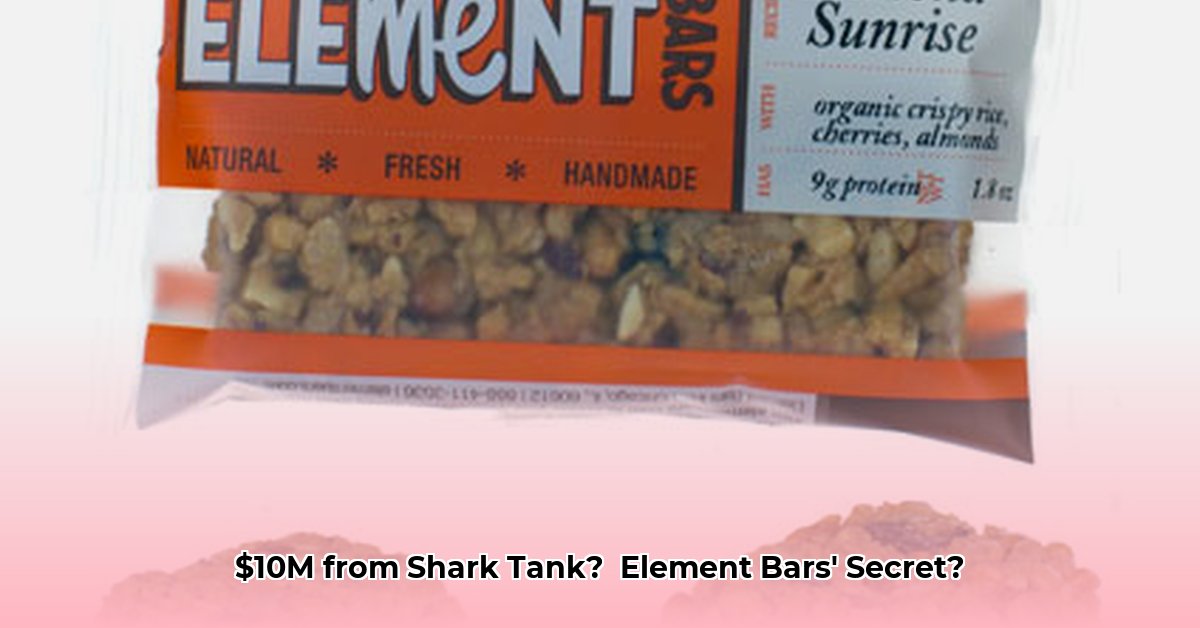
From Shark Tank Snub to $10 Million Revenue: The Element Bars Success Story
Element Bars' journey is a compelling case study in entrepreneurial resilience. Despite failing to secure a deal on Shark Tank, the company has generated an estimated $10 million in revenue, showcasing a remarkable ability to adapt and thrive. This success wasn't simply a matter of luck; it's a testament to strategic pivoting, a robust business model, and navigating the complexities of the competitive energy bar market. For more on similar success stories, check out this Shark Tank analysis.
The Shark Tank Experience and its Unforeseen Impact
Element Bars' appearance on Shark Tank, while failing to secure an investment, provided invaluable brand exposure. This heightened awareness, rather than proving a setback, presented a pivotal opportunity. The company leadership recognized the limitations of a direct-to-consumer model and opted for a strategic shift. This decision ultimately proved to be the catalyst for their phenomenal growth.
The Strategic Pivot to Private Label Manufacturing
The critical turning point for Element Bars was its transition to a private-label manufacturing model. This business strategy, where they produce custom energy bars for other companies, significantly increased their production volume and revenue streams. By focusing on manufacturing rather than direct marketing, they significantly reduced marketing costs while enjoying potentially higher profit margins per unit. This illustrates a powerful lesson: sometimes, the most effective path to growth lies in serving other businesses rather than directly competing with them. Did this shift mean sacrificing brand recognition? That's a challenge they continue to address.
The Private Label Advantage: A Detailed Analysis
Private label manufacturing offers several key advantages, particularly within the competitive landscape of the energy bar market. Reduced marketing expenses are a significant benefit, freeing up resources for other areas of the business. It also allows for scalability, as production capacity is primarily determined by client demand, not inherent sales limitations. However, the lack of direct brand association needs careful management. While exact profit margins remain undisclosed, the substantial revenue generated suggests a profitable approach. This highlights a crucial element in understanding Element Bars' success: finding the right balance between maximizing profitability and building brand identity.
Navigating the Competitive Energy Bar Landscape: The Challenges Ahead
Despite its success, Element Bars operates within a highly competitive industry. Significant challenges remain, including intense competition from established brands, the ongoing need to build brand awareness within a private-label structure, and the ever-evolving regulatory landscape of the food industry. Furthermore, supply chain disruptions and fluctuating ingredient prices present continuous operational hurdles. How will Element Bars navigate these obstacles? This is a key question for their continued growth. Their $10 million revenue proves their current model is successful, but long-term sustainability requires strategic management of these risks.
Risk Assessment: Potential Stumbling Blocks
Element Bars’ future growth depends on effectively mitigating a range of risks:
| Risk Category | Likelihood | Potential Impact | Mitigation Strategy |
|---|---|---|---|
| Intense Competition | High | High | Constant innovation; strong branding; unique selling propositions; strategic partnerships. |
| Supply Chain Hiccups | Medium | Medium | Diversified sourcing; strong supplier relationships; contingency planning. |
| Raw Material Costs | Medium | Medium | Price hedging; exploring alternative ingredients; efficient cost management. |
| Regulatory Hurdles | Low | High | Proactive monitoring of regulations; expert legal counsel; robust compliance procedures. |
The Future Outlook: Balancing Growth and Sustainability
Element Bars' future success hinges on several key factors. Maintaining strong relationships with its private-label clients is paramount. Simultaneously, the company must strategically invest in its own brand identity to enhance long-term growth and explore potential new market opportunities. This necessitates a careful balancing act, requiring agility and adept strategic planning. Will Element Bars focus on expanding its private-label business or invest in direct-to-consumer brand building? This strategic decision will significantly impact its future financial performance. The company needs to consider the resources required for each path and carefully weigh the potential returns.
Conclusion: A Success Story Built on Adaptation
Element Bars' journey exemplifies the importance of adaptability and strategic thinking in entrepreneurial endeavors. Their $10 million revenue demonstrates the power of pivoting to a suitable business model. However, sustained success in the competitive energy bar market requires continuous innovation, strategic brand-building, and proactive risk mitigation. Their story serves as a valuable case study for aspiring entrepreneurs, demonstrating that resilience and strategic decision-making can lead to extraordinary results. The next chapter of Element Bars' story will be fascinating to watch.